When an artwork is almost finished, things get quiet in a way that feels uneasy. The big problems are solved. Nothing looks obviously wrong. Instead of clear tasks, I am left with a vague feeling that something might still be off. I step back, walk closer, step back again, hoping the piece will tell me what it needs. It rarely does. This stage feels less dramatic than the beginning, but more uncomfortable.
When Progress Stops Feeling Like Progress
Early on, effort and results match. You add something and the work clearly improves. Near the end, that connection breaks down. I might spend half an hour adjusting a small area only to wonder if anyone else could even see the change. This is frustrating because the work is still demanding attention, but no longer offers obvious rewards.
Caring Too Much at the Worst Time
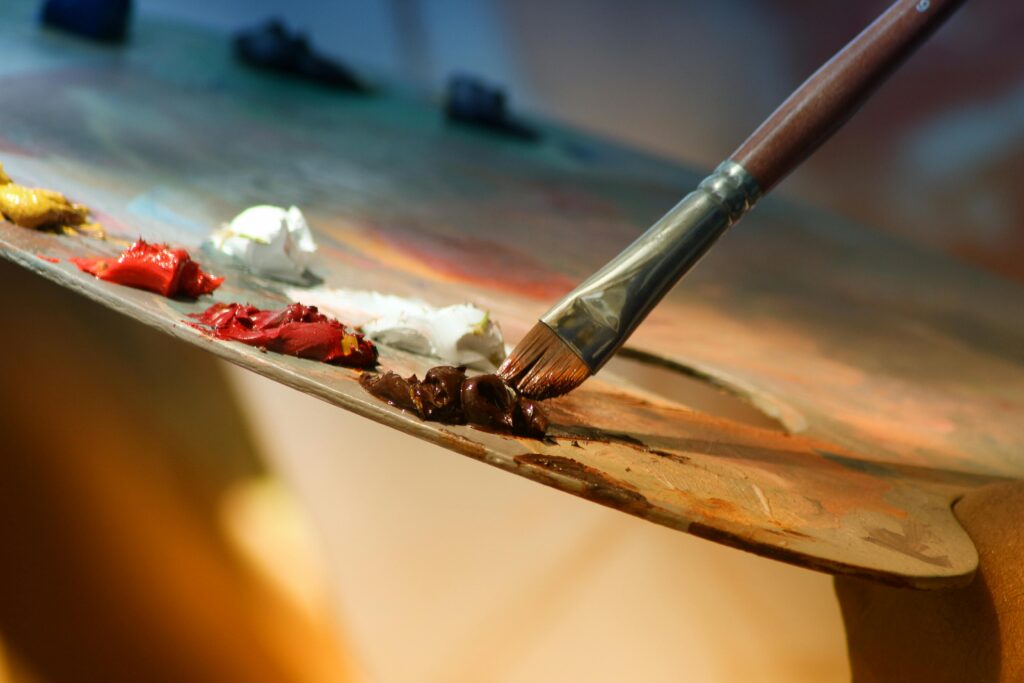
The closer a piece gets to being done, the more attached I feel to it. At this point, the work mostly functions, which makes changes feel risky. I remember staring at a painting, brush in hand, knowing one more dark shape could pull everything together or undo days of effort. This hesitation is not about skill. It is about not wanting to ruin something that finally feels close.
Deciding to Stop Feels Final
Finishing a piece is not just about stopping work. It is about deciding to let it be what it is. I often delay signing my name because the signature feels like a door closing. Once the work is declared finished, it can no longer be quietly improved. That final decision carries more weight than any earlier mistake.
Relief That Does Not Last
When I finally stop working, the relief is immediate. I clean up, wash my hands, and feel my shoulders relax. That feeling rarely lasts long. By the next day, I notice things I want to change. Colors feel too strong. Shapes feel awkward. Distance changes how the work looks, and confidence fades quickly.
Doubt After the Finish Line
Strangely, doubt often increases after a piece is finished. Walking past it, I spot flaws I missed before. I think about pulling it back onto the easel, not because I know how to fix it, but because unfinished work feels safer. Finished work has to stand on its own without explanation.
Sharing Makes It Complicated
Showing the work to others does not always help. Compliments can feel uncomfortable because they lock the piece into its current form. Critical feedback can reopen decisions I thought were settled. Even casual reactions can make me question my choices. The work may be done, but emotionally it still feels unfinished.

When the Artwork Leaves
When a piece leaves the studio, the reaction is rarely joy. The space where it sat feels empty. Something that occupied my thoughts for weeks is suddenly gone. The moment feels flat instead of celebratory, which can be surprising to people who expect finishing to feel like a victory.
The Awkward Gap After Finishing
The day after finishing is often the hardest. I return to the studio expecting energy, but instead there is a pause. Finishing creates an ending, not momentum. Starting the next piece feels distant, even though the last one just ended.
Why This Is Normal
Finishing an artwork does not solve emotional uncertainty. It simply marks the point where continuing no longer helps. The discomfort around finishing is not a sign of failure or inexperience. It is what happens when you care enough to let something go.